
Rani ki Vav
Descend to the water
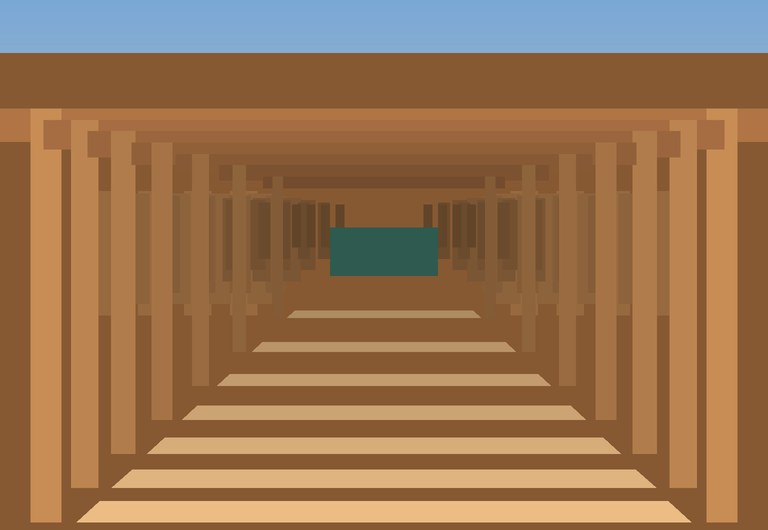
Rani ki Vav, the “Queen’s Stepwell”, lies in the town of Patan in Gujarat, near the Saraswati River. It is often called the most beautiful stepwell in India, and in 2014 it was inscribed on the UNESCO World Heritage List.
A queen’s gift
The stepwell was built in the 11th century. It is linked to Queen Udayamati, and it is generally believed to have been built in memory of King Bhima I of the Chaulukya dynasty. Historians still discuss the exact dates.
A gallery of stone
The stepwell is about 65 metres long, 20 metres wide and 28 metres deep, with seven levels of steps and pavilions. Its walls hold more than 500 main sculptures and over a thousand smaller ones, many showing Hindu gods and celestial figures. It was designed as an upside-down temple, honouring the sacred value of water.
For centuries the well lay buried under silt left by floods. It was excavated and restored in the 20th century, which helped protect its carvings. Today Rani ki Vav even appears on the back of India’s 100-rupee banknote.
Visiting tips
- Take your time on each level: many of the finest carvings are at eye level along the walls.
- The site is in a quiet park, a good place for a slow walk.
- Combine your visit with Patan’s famous Patola silk weavers.
Key facts
| Location | Patan, Gujarat |
| Built | 11th century |
| Size | About 65 m long, 20 m wide, 28 m deep |
| Levels | 7 |
| UNESCO World Heritage | Since 2014 |